· Michele Mazzucco · Post · 9 min read
Busting 6 common myths about queue management
Think queue management is just about controlling lines? In reality, it’s one of the most overlooked levers for better customer experience, smoother operations—and serious cost savings.

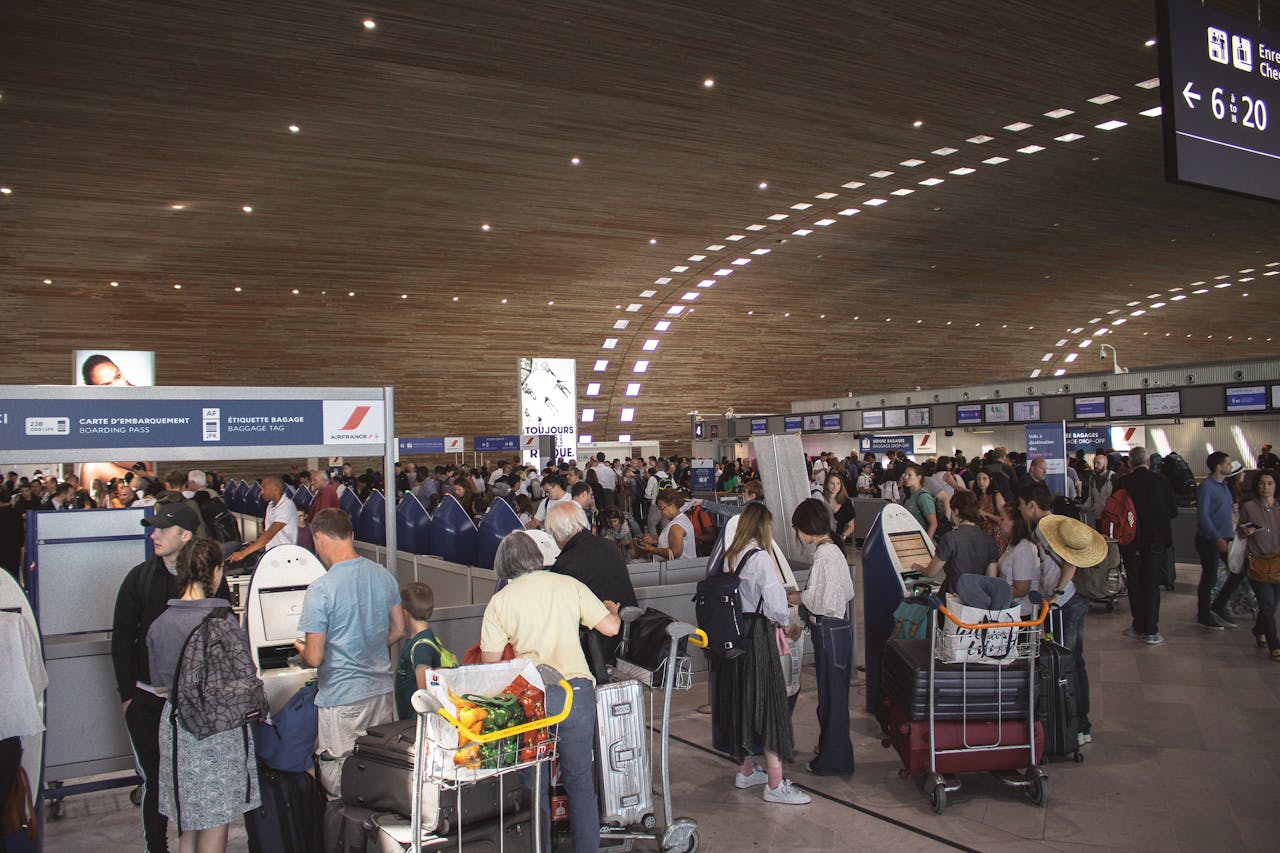
Have you ever felt your patience fray while stuck in a sluggish grocery store line, enduring endless waits at airport security, or standing frustrated at a customer service counter? Poorly managed queues aren’t just inconvenient—they actively drive customers away.
Effective queue management isn’t just a nicety—it’s foundational to operational efficiency, customer satisfaction, and business success. Yet, many businesses hold onto outdated myths that prevent them from truly optimizing their queues.
In this article, we will bust six common myths about queue management, equipping you with insights that can directly enhance your customer experience, improve team performance, and boost your bottom line.
Albert Einstein once remarked:
In the middle of difficulty lies opportunity.
Queues, too, represent such opportunities—every frustrating line holds the potential to delight your customers and transform your business.
Table of contents
- Myth 1: Queue management is just about reducing wait times
- Myth 2: Single queue lines always work better than multiple queues
- Myth 3: Technology is a luxury, not a necessity
- Myth 4: Customers only care about speed—not the experience
- Myth 5: Queue management is only important for retail and service industries
- Myth 6: Adding more staff is the obvious solution
- Turning insights into action
Myth 1: Queue management is just about reducing wait times
One of the most persistent misconceptions is that queue management is only concerned with cutting down the time customers spend waiting. While shorter waits are undeniably important, an exclusive focus on this metric overlooks critical elements of the customer experience.
Effective queue management takes a holistic view. It doesn’t just seek to minimize actual wait times—it also aims to manage customer perceptions of waiting, ensure clear communication, optimize resource allocation, and create comfortable environments.
For instance, consider a bank. Simply opening more teller windows might reduce the physical waiting period, but could also lead to idle staff and unnecessary expenses. A smarter strategy involves segmenting customers based on their needs, clearly communicating expected wait times, and providing digital check-in options. Even if the actual wait remains similar, the customer’s perceived experience significantly improves.
Similarly, retail stores have found that interactive digital displays or accurate waiting-time updates enhance customer satisfaction more effectively than simply adding staff at checkouts.
Why this myth is wrong
Reducing wait times is essential, but effective queue management goes beyond mere speed. It’s about enhancing the entire customer experience, managing perceptions, and improving operational efficiency—elements that pure speed alone cannot address.
To explore more about how wait times affect customer perception, read: Why long wait times are costing your business more than you think
Myth 2: Single queue lines always work better than multiple queues
You have probably waited in a serpentine line at the bank or airport check-in, appreciating its fairness—no more stress about choosing the slowest-moving line. Single queues indeed excel in many situations, as discussed in detail in our queue layout strategy article. But labeling them as the universally superior solution ignores crucial nuances.
The optimal queue structure depends heavily on context and customer needs. When service requirements vary significantly, specialized multiple queues often perform better. For instance, grocery stores frequently benefit from dedicated express lanes for customers with fewer items, ensuring quick and efficient service. Similarly, hospitals implement separate queues for urgent care and routine appointments, dramatically improving patient flow and satisfaction.
By segmenting queues according to transaction complexity or urgency, businesses show respect for customer time and reduce collective frustration. Rather than defaulting to one method, analyze your operational demands and customer behaviors carefully before choosing your layout.
Why this myth is wrong
Declaring single queues universally superior neglects the varied complexity of customer interactions and service environments. The most effective queue layout always depends on your unique circumstances.
For an in-depth guide on choosing the right queue structure, read our article: Queueing strategy 101: why layout matters more than you think
Myth 3: Technology is a luxury, not a necessity
Many businesses still approach queue management with minimal tech—a few ropes, signs, and occasional staff guidance. While that approach might suit a small pop-up stand, it’s increasingly inadequate for today’s digitally-driven customer expectations.
Modern queue management technology is transformative, not just convenient. Digital check-ins and virtual queuing apps enable customers to wait comfortably anywhere, while real-time analytics predict demand and optimize staffing. Advanced solutions using sensors and cameras automatically detect queue lengths, dynamically opening service points to prevent overcrowding and bottlenecks.
For example, busy restaurants now leverage virtual queues allowing diners to wait comfortably off-site, improving customer satisfaction and increasing revenue by reducing walkaways. Retailers integrate queue technology with CRM systems, enabling personalized interactions—staff can greet customers by name and quickly access purchase history, creating memorable customer experiences.
Crucially, technology directly addresses the psychology of waiting. Offering accurate wait-time updates, personalized notifications, and appointment scheduling gives customers greater control, significantly reducing perceived waiting times and improving overall satisfaction.
In competitive markets, technology isn’t merely nice-to-have—it’s essential for maintaining operational excellence and delivering exceptional customer experiences.
Why this myth is wrong
Dismissing technology overlooks the profound impact digital solutions have on efficiency, customer experience, and your competitive edge. Far from a luxury, technology is now foundational for successful queue management.
To explore more about how virtual queues can make self-service smoother: Designing virtual queues that don’t feel like waiting
Myth 4: Customers only care about speed—not the experience
Believing customers solely value speed leads many businesses to create queues designed only for efficiency—often at the expense of the human experience. Such sterile, throughput-focused approaches neglect the fact that waiting isn’t merely physical; it is emotional.
Research consistently shows that the perceived experience of waiting profoundly impacts customer satisfaction, often even more than actual wait times. Customers perceive waits as shorter if they are occupied, comfortable, and regularly informed, rather than idle and uncertain.
Disney provides a masterclass in queue management by integrating interactive elements and storytelling directly into their waiting areas. Customers feel engaged and entertained, turning potentially frustrating waits into memorable experiences.
But you don’t need to run a theme park to benefit from this principle. Consider healthcare clinics, which increasingly utilize comforting waiting environments—calming music, clear signage, and regular communication updates—to ease patient anxiety, significantly improving overall satisfaction. Similarly, boutique retailers often offer refreshments or personalized attention during waits, transforming the queue from a chore into a positive brand interaction.
When you invest in enhancing the waiting experience, you send a powerful message: you respect your customers’ time and value their comfort, building loyalty and reducing complaints.
Why this myth is wrong
Assuming customers only care about speed overlooks the psychological and emotional dimensions of waiting. Managing these perceptions and creating positive experiences is as crucial as managing actual wait times.
To learn more about designing queues that customers actually appreciate, check out: Queueing strategy 101: why layout matters more than you think
Myth 5: Queue management is only important for retail and service industries
When people think of queue management, they typically picture retail stores, healthcare clinics, or government offices. This narrow view limits understanding and causes numerous industries to overlook significant efficiency improvements.
Queue management isn’t just for traditional customer-service scenarios—it’s relevant anywhere limited resources meet high demand, causing waits or bottlenecks. For example:
- Manufacturing: Production lines rely heavily on effective queue management, optimizing part flow to minimize downtime and maximize throughput.
- Logistics: Trucks waiting at loading bays represent costly bottlenecks that can benefit significantly from smarter queue strategies, like appointment scheduling and digital tracking.
- Software development: Agile project teams use queue management principles to effectively prioritize backlogs of features, tasks, and bug fixes, significantly enhancing productivity.
- Digital experiences: Online customer support chats or virtual ticketing systems require precise queue strategies to manage customer expectations and satisfaction efficiently.
- Entertainment and Events: Theme parks and concert venues utilize intelligent queue strategies, such as virtual queuing and timed entries, dramatically improving customer experience and reducing operational stress.
In every scenario, the principles of flow, bottleneck management, and prioritization directly impact efficiency, productivity, and user satisfaction. By applying queue dynamics broadly, organizations can discover untapped opportunities for optimization across their entire operation.
Why this myth is wrong
Queue management principles aren’t limited to traditional service industries; they are crucial wherever resources are finite, and demand creates delays. Broadening your view of queue management allows you to unlock productivity and efficiency across diverse sectors.
Read our article about supply chain optimization: Queueing theory in action: optimizing supply chains from the inside out
Myth 6: Adding more staff is the obvious solution
When queues grow lengthy, many managers instinctively think, “We need more staff!” However, this reaction often oversimplifies and misinterprets the real issue. A long queue rarely indicates a simple staffing shortage—instead, it’s typically a symptom of deeper operational problems.
Throwing more employees at a congested queue frequently proves ineffective and expensive. In most cases, long lines reflect process inefficiencies, such as bottlenecks in payment processing, outdated workflows, poor layout, or inadequate technology. Simply adding staff without addressing these root causes increases costs and can even exacerbate congestion.
Before expanding your workforce, consider crucial questions:
- Are your employees adequately trained and properly utilized?
- Is the service workflow smooth and optimized?
- Could better technology or layout adjustments offer more sustainable solutions?
In fact, investing in smarter queue management solutions—like streamlining processes, leveraging automation, or improving layout—often delivers significantly better results at a fraction of the cost of expanding your payroll.
Because this misconception is so pervasive, we have explored it extensively in our articles:
- The myth of more staff, where we discuss the cost-effective alternatives to staffing increases.
- What that long queue really means, helping you decode the real reasons behind long lines.
Why this myth is wrong
Simply adding staff doesn’t address the underlying process inefficiencies causing queues. Effective solutions require diagnosing and fixing the root problems, such as workflow, training, layout, and technology.
Turning insights into action
Now that we have debunked these common queue management myths, you are equipped to approach queues with clarity and strategic insight. Remember these key principles:
- Look beyond speed: Focus on the complete customer experience—comfort, clear communication, and perceived fairness.
- Tailor your queue structure: Don’t automatically default to single-line queues. Match the layout to your specific service context and customer needs.
- Embrace technology strategically: Leverage digital solutions like virtual queuing, analytics, and dynamic signage to create smarter, more satisfying waiting experiences.
- Manage perceptions effectively: Invest in the environment, communication, and interactions to make wait times feel shorter, more enjoyable, and less stressful.
- Broaden your perspective: Apply queue management principles to all waiting scenarios, whether physical or virtual, across various industries and contexts.
- Analyze first, staff later: Investigate process bottlenecks, workflow inefficiencies, or technology gaps before considering additional staff.
Great queue management combines operational excellence with genuine insights into human psychology. By moving past outdated assumptions, you’ll transform frustrating waits into opportunities to impress and delight your customers.
Ultimately, effective queue management isn’t just about moving people faster—it’s about thoughtfully designing every aspect of the waiting experience. With the right mindset and tools, queues stop being a source of frustration and start becoming powerful opportunities for continuous improvement.
As Albert Einstein wisely said:
In the middle of difficulty lies opportunity.
Your challenge—and opportunity—is finding the hidden potential within every queue.
📬 Get weekly queue insights
Not ready to talk? Stay in the loop with our weekly newsletter — The Queue Report, covering intelligent queue management, digital flow, and operational optimization.