· Michele Mazzucco · Post · 11 min read
Why long wait times are costing your business more than you think
Long wait times don’t just frustrate customers—they lead to churn, lost sales, and a damaged brand. Here’s how poor queueing costs more than you think.

Imagine a customer abandoning their online shopping cart after a frustrating delay, or a patient walking out of a clinic due to a long wait.
In the fast-paced world of business, every second counts. Customers today expect immediate responses and seamless service, and when they don’t get it, the consequences can be severe. The repercussions of prolonged delays, whether in a physical queue, on the phone, or in response to an email, can have far-reaching effects on your business that go beyond mere customer dissatisfaction.
When customers are kept waiting, their patience wears thin, and they may choose to take their business elsewhere, opting for competitors who prioritize efficiency. This shift not only affects immediate revenue but can also tarnish your brand’s reputation, making it harder to attract new customers in the future.
Moreover, the costs associated with long wait times can accumulate in various ways, from increased operational expenses to the potential loss of repeat business. Addressing these delays is not merely a matter of improving customer experience; it is a crucial strategy for safeguarding your profitability and ensuring sustainable growth.
This article delves into the multifaceted ways in which long wait times can impact your bottom line and offers insights into how you can mitigate these issues.
Why long wait times are costing you more than you think
The customer is always right, but the customer with a long wait time is often gone. — Unknown
Lost loyalty: how long waits drive customers away
One of the most immediate and visible effects of long wait times is customer dissatisfaction - a recent study reveals that customer satisfaction drops from 95% to 70% when wait times exceed 10 minutes. And just a one-minute increase in wait time can reduce customer satisfaction scores by up to 20%.
When customers have to wait longer than they expect, their frustration levels rise, and their perception of your brand diminishes. This dissatisfaction can lead to negative reviews, reduced repeat business, and a higher churn rate. According to a study by American Express, 58% of consumers have stopped doing business with a company because of poor service. At the same time, Gladly found that 68% of customers are willing to pay more for products and services from a company with a strong record of good customer service.
Lost sales: when patience runs out, so does profit
Long wait times can directly lead to lost revenue. For example, in retail, frustrated customers facing long checkout lines may abandon their purchases and choose a competitor nearby. Similarly, in hospitality, lengthy check-in processes can create a negative first impression, potentially resulting in poor reviews.
Indeed, research from Qualtrics indicates that over half of customers are willing to switch brands after just one negative waiting experience. This is particularly true for service-based businesses, where clients readily choose competitors offering quicker and more efficient service.
Reputational risks: the hidden damage to your brand
The impact of long wait times extends beyond individual transactions. Negative experiences can tarnish your brand’s reputation, making it harder to attract new customers. In the age of social media, a single dissatisfied customer can share their experience with a vast audience, amplifying the damage.
For instance, Zendesk found that 4 out of 5 consumers would switch to a different company if they found out it had a better customer experience.
Internal impact: what waiting does to your team
Long wait times not only annoy your customers - they can also affect your employees. Staff who are constantly dealing with frustrated customers can experience burnout, leading to decreased job satisfaction and higher turnover rates.
This not only increases recruitment and training costs - the cost of replacing an employee can range from one-half to two times their annual salary - but also disrupts the continuity of service, further exacerbating wait times.
Is your business losing customers due to frustrating wait times? Contact QueueworX today for a free consultation and discover how we can help you implement strategies to reduce abandonment and improve customer loyalty.
The psychology of waiting: why time feels longer than it is
The perception of waiting time is often the primary driver of customer dissatisfaction, and a key factor in this is the principle that occupied time feels significantly shorter than unoccupied time, even if the actual duration is the same.
Understanding the psychological impact of waiting can provide valuable insights into why long wait times are so detrimental. According to Dr. David Maister, an expert in service management, the perception of waiting is often more important than the actual wait time. Customers are more likely to be dissatisfied if they feel that their time is not valued or if they are left in the dark about the status of their request. In particular, you should consider the following:
Perceived fairness
Customers want to feel that their wait is fair and justified. If they perceive that others are being served more quickly or that the wait is unnecessary, their frustration increases. This can be mitigated by providing transparent communication and setting clear expectations.
Uncertainty
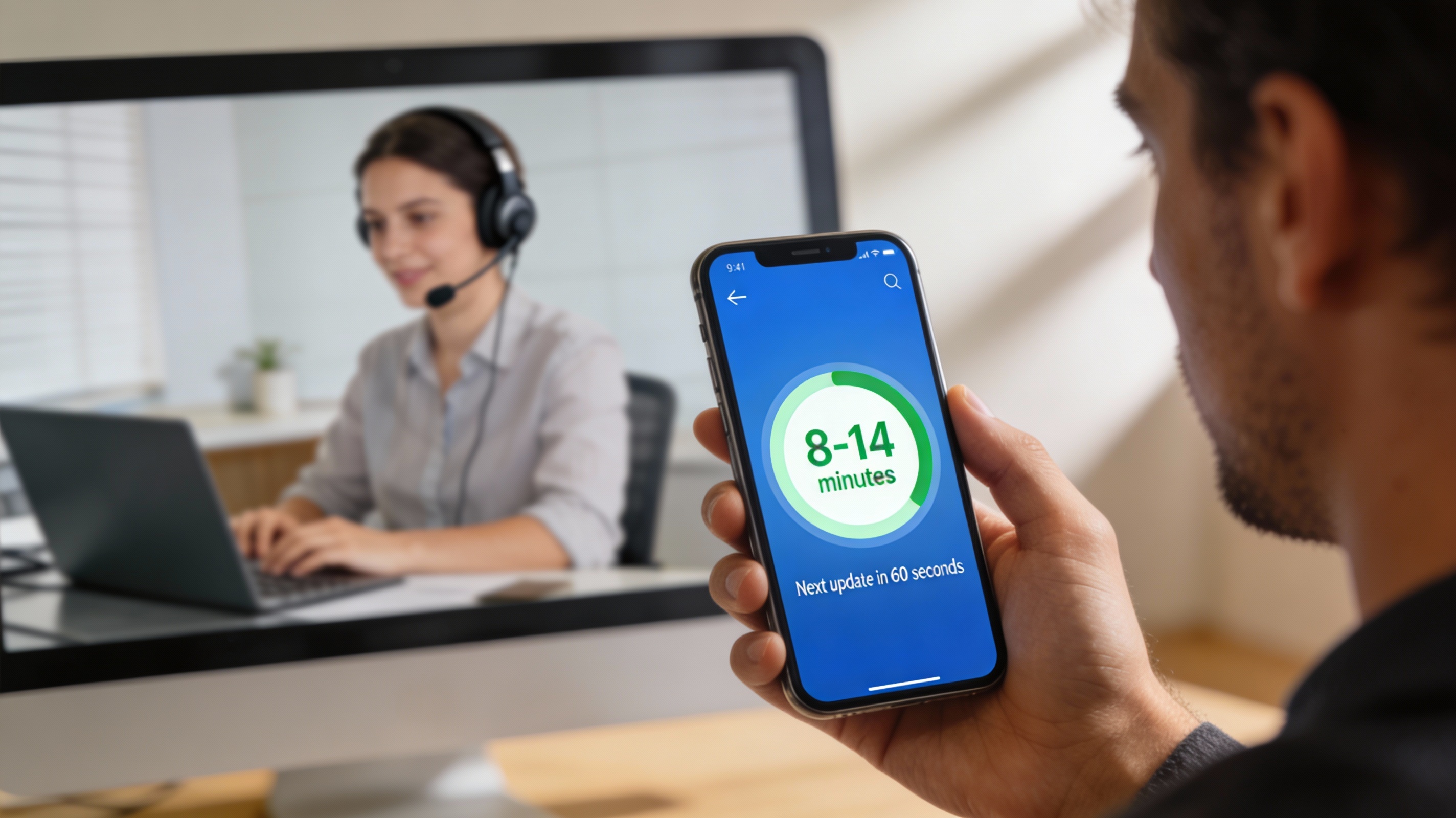
Uncertainty about the duration of the wait can heighten anxiety and frustration. Providing real-time updates and estimated wait times can help manage customer expectations and reduce stress.
Boredom and distraction
Long waits can be tedious, and customers may become restless. Offering distractions such as entertainment, information, or interactive activities can help make the wait more bearable.
How to reduce wait times without sacrificing service quality
Reducing wait times isn’t just about speed—it’s about being smart with your resources. Here’s how:
Optimize resource allocation
One of the most effective ways to reduce wait times is to ensure that you have the right resources in place. This includes staffing levels, technology, and processes. Analyze your peak times and adjust your resources accordingly. For example, if you notice that wait times are longest during certain hours, consider scheduling additional staff during those periods.
Implement queue management systems
Queue management systems can help streamline the waiting process and provide a better customer experience. These systems can include priority queues for premium customers as well as digital queuing, virtual waiting rooms, and real-time wait time updates. By giving customers more control over their waiting experience, you can reduce frustration and improve satisfaction.
Leverage technology
Technology can play a crucial role in reducing wait times. For instance, self-service kiosks, online booking systems, and chatbots can handle routine tasks, freeing up your staff to focus on more complex issues. Additionally, automation tools can help streamline internal processes, reducing the time it takes to resolve customer inquiries.
Enhance communication
Clear and consistent communication is key to managing customer expectations. Provide regular updates on wait times, and explain any delays. If a customer is waiting longer than expected, offer an apology and a gesture of goodwill, such as a discount or a free service.
Gather and act on feedback
Customer feedback is invaluable in identifying areas for improvement. Regularly solicit feedback through surveys, social media, and direct communication. Use this feedback to make data-driven decisions and implement changes that can reduce wait times and improve the customer experience.
Forecast demand smarter
Go beyond simply looking at historical data. Leverage the power of predictive analytics to gain a deeper understanding of when and why demand fluctuations occur. This involves analyzing trends, seasonality, marketing campaign impacts, external events, and even real-time data to forecast future demand with greater accuracy. By anticipating surges in advance, you can proactively adjust staffing levels, optimize inventory, and allocate resources effectively to meet the expected workload. This proactive approach minimizes the chances of long wait times and ensures you’re always prepared to serve your customers efficiently.
QueueworX can help you implement the right predictive analytics tools and develop forecasting models tailored to your specific business needs, allowing you to stay ahead of demand.
Prioritize high-value customers
Not all customers are created equal in terms of their long-term value to your business. Implementing queue policies that recognize and prioritize your most valuable customers can significantly enhance their experience and foster stronger loyalty. This could involve offering them dedicated service channels, expedited support, or preferential placement in virtual or physical queues. For example, loyalty program members might receive priority routing in a call center, or high-spending clients might be offered a faster track for in-person service.
QueueworX can help you design and implement sophisticated prioritization strategies that align with your customer value metrics and business objectives, ensuring your most important customers receive the service they deserve.
Automate load management
Traditional load management often involves simply limiting the number of users or requests a system can handle, which can lead to a frustrating “busy” signal or a throttled experience for your customers. A more intelligent approach is to automate the dynamic allocation of resources based on real-time load. This means your system automatically adjusts capacity (e.g., server resources, bandwidth, staff availability) in response to fluctuations in demand. When demand spikes, resources scale up seamlessly; when demand decreases, resources can scale down, optimizing efficiency and preventing bottlenecks without resorting to blunt throttling.
QueueworX has the expertise to help you implement automated load management solutions that leverage technology to dynamically adjust your resources, ensuring optimal performance and a smooth customer experience even during peak demand periods.
Real-world examples of smart queueing in action
The following case studies show how some of the techniques we have discussed in this article can be applied in real settings.
Starbucks: mobile order and pay
Starbucks implemented a mobile order and pay system, allowing customers to place their orders in advance and skip the line.
This change not only reduced wait times - order processing times decreased by an average of 30% during peak hours, leading to a more enjoyable customer experience - but also increased customer satisfaction and loyalty. Starbucks also noticed that the mobile order and pay improved the order accuracy rate by 20% due to fewer chances of miscommunication and errors, considerably reducing both employees’ stress and the waste.
Amazon: one-click ordering
Amazon’s one-click ordering system is a prime example of how technology can streamline the customer experience. By reducing the number of steps required to complete a purchase, Amazon has significantly reduced wait times and improved customer satisfaction. This has contributed to Amazon’s reputation as a leader in e-commerce.
Walt Disney World: FastPass+
Walt Disney World’s FastPass+ and Premier Access systems allows visitors to reserve ride times in advance, reducing wait times and improving the overall park experience. This system has been so successful that it has become a model for other theme parks and attractions.
Wendy’s: FreshAI
In the drive-thru space, Wendy’s is innovating with the introduction of FreshAI, an artificial intelligence-powered system designed to overcome common drive-thru challenges. These include accurately understanding customer orders amidst casual conversation and efficiently managing a complex menu with numerous customizations. In pilot programs at select restaurants, FreshAI demonstrated its potential by achieving faster service times and a remarkable 99% order accuracy.
Just as Starbucks and Disney have implemented innovative strategies to enhance their customer experience, Wendy’s is recognizing that efficient queue management is crucial for customer satisfaction and operational success in the fast-food sector.
QueueworX understands that every business has unique challenges when it comes to managing customer flow. We specialize in analyzing your specific needs and recommending tailored queue management solutions, whether it involves integrating AI-powered tools or implementing other strategic approaches. By partnering with QueueworX, your organization can identify opportunities to streamline operations, reduce waiting times, and ultimately boost customer satisfaction and your bottom line, just like Wendy’s is striving to do with FreshAI.
Final thoughts: time is money—use it wisely
Long wait times are more than just an inconvenience; they can have a profound impact on your business’s financial health, customer loyalty, and brand reputation. By understanding the psychological and practical aspects of waiting, you can implement strategies to reduce wait times and enhance the customer experience. Whether through optimized resource allocation, queue management systems, or enhanced communication, the key is to value your customers’ time and provide a seamless, efficient service. By doing so, you can not only retain existing customers but also attract new ones, ultimately driving growth and profitability.
Customers don’t measure you on how hard you tried, they measure you on what you deliver. - Steve Jobs
TL;DR: Long wait times aren’t just inconvenient — they cost your business real money through lost sales, churn, and reputational damage. Learn how smart queueing strategies can flip the script.
📬 Get weekly queue insights
Not ready to talk? Stay in the loop with our weekly newsletter — The Queue Report, covering intelligent queue management, digital flow, and operational optimization.