· Michele Mazzucco · Post · 11 min read
From frustration to 5 stars: a modern guide to hotel and hospitality queues
As the northern hemisphere enters its bustling holiday season, don't let long queues undermine your guest satisfaction. Learn how to turn wait time into wow time and revolutionize your guest experience.

Photo by Reynier Carl on Unsplash
Imagine arriving at a bustling hotel lobby, a concert venue, or stepping into the magical world of a theme park during the holiday rush—only to be met with long lines that can dampen your festive spirit. You might think, “I’m here to enjoy the event, not to stand in line!” Yet whether you are checking into accommodation, waiting for a concert to begin, or queuing for that fabulous ride, effective queue management is the unsung hero behind creating an unforgettable experience.
In this article, you will discover how adopting smart queue management strategies can transform waiting time—from a source of frustration into a seamless, engaging part of your service offering. Even if some major improvements are too grand a gesture for this holiday season, a few strategic tweaks can make the guest wait more pleasant and boost overall operational efficiency.
Table of contents
- 1. The impact of queues on guest experience
- 2. The hidden costs of mismanaged queues
- 3. Learning from the best: retail, Disney and beyond
- 4. Designing queues that work
- 5. Leveraging technology for smarter queuing
- 6. Psychology and perception: making waits more palatable
- 7. Operational strategies for smoother flows
- 8. Key takeaways
- 9. Conclusion: transforming friction into opportunity
1. The impact of queues on guest experience
Here is a familiar scene: you arrive at a hotel restaurant, hungry and ready to relax, only to find a long line for a table. The staff is rushing between tables, trying to keep up, but the wait drags on and service feels hurried. Everyone is scrambling to make guests happy, but the result is that nobody feels truly cared for. It’s a reminder that good queue management isn’t only about speed—but also about making every guest feel valued, even during the busiest times.
This experience isn’t unique to restaurants. Whether you are checking in, waiting for a concert to begin, or queuing for a ride, the way a queue is managed shapes your entire impression of the business. When waiting is handled poorly, frustration quickly overshadows excitement. But when queues are thoughtfully managed—with clear communication, empathy, and attention to guest needs—waiting can become just another seamless part of a great stay.
Consider this wise observation:
The way customers perceive waiting often matters more than the actual time spent waiting.
In the hospitality business, guests expect value, speed, and comfort. When they are kept waiting without adequate management or communication, frustration can quickly overshadow excitement. How can you, as a hospitality provider, mitigate this friction?
By taking queue management seriously, you ensure that every touchpoint—from check-in to dining and even guest services—is designed with the guest in mind. A seamless, thoughtful approach to queuing not only improves operational efficiency but also enhances guest satisfaction and loyalty.
2. The hidden costs of mismanaged queues
Have you ever considered that every minute your guests spend waiting is a minute of potential lost revenue? Mismanaged queues can lead to:
😠 Diminished guest satisfaction
Long waits can sour an experience before it even begins. A guest frustrated at check-in might carry that negative impression through their entire stay.
📉 Missed revenue opportunities
Whether it’s a delay at the restaurant, a long wait at a ride, or a lag in service at the concierge desk, waiting can cause guests to skip on spending additional money.
🚨 Negative word-of-mouth
In today’s digital age, even one guest disappointed by long wait times can share their experience on social media, impacting your brand reputation.
⛓️💥 Operational strain
When staff are constantly managing frustrated guests or scrambling to clear bottlenecks, it diverts attention from providing exceptional service.
For instance, a hotel with consistently slow check-in lines might find guests bypassing its loyalty program or even choosing competitors with faster, friendlier processes. The hidden costs are more than just lost time—they translate directly into loss of revenue and erosion of brand trust.
3. Learning from the best: retail, Disney and beyond
When it comes to managing guest flow, the hospitality industry can look beyond traditional practices. Retailers and innovative theme parks, notably Disney’s parks, have long been trailblazers in turning waiting into part of the experience.
🚦 Segmented flow
In retail, shoppers often benefit from express lanes or dedicated counters based on their needs or purchase size. Similarly, you might consider implementing segmented check-in lines for VIPs, loyalty members, or large parties—especially during the holiday surge. For guests, this means less confusion and faster service during busy times.
🖥️ Self-service options
Just as supermarkets have revolutionized checkout with self-service kiosks, hospitality providers can empower guests to use mobile check-ins or self-service information kiosks. These options reduce physical congestion while giving guests more control and choice. Guests gain more control over their time and can avoid crowded spaces.
📢 Clear communication and transparency
Digital signage and live updates in retail have proven effective. Similarly, Disney’s theme parks have long used virtual queues to improve guest experiences. For guests, clear updates reduce stress and make waiting more predictable.
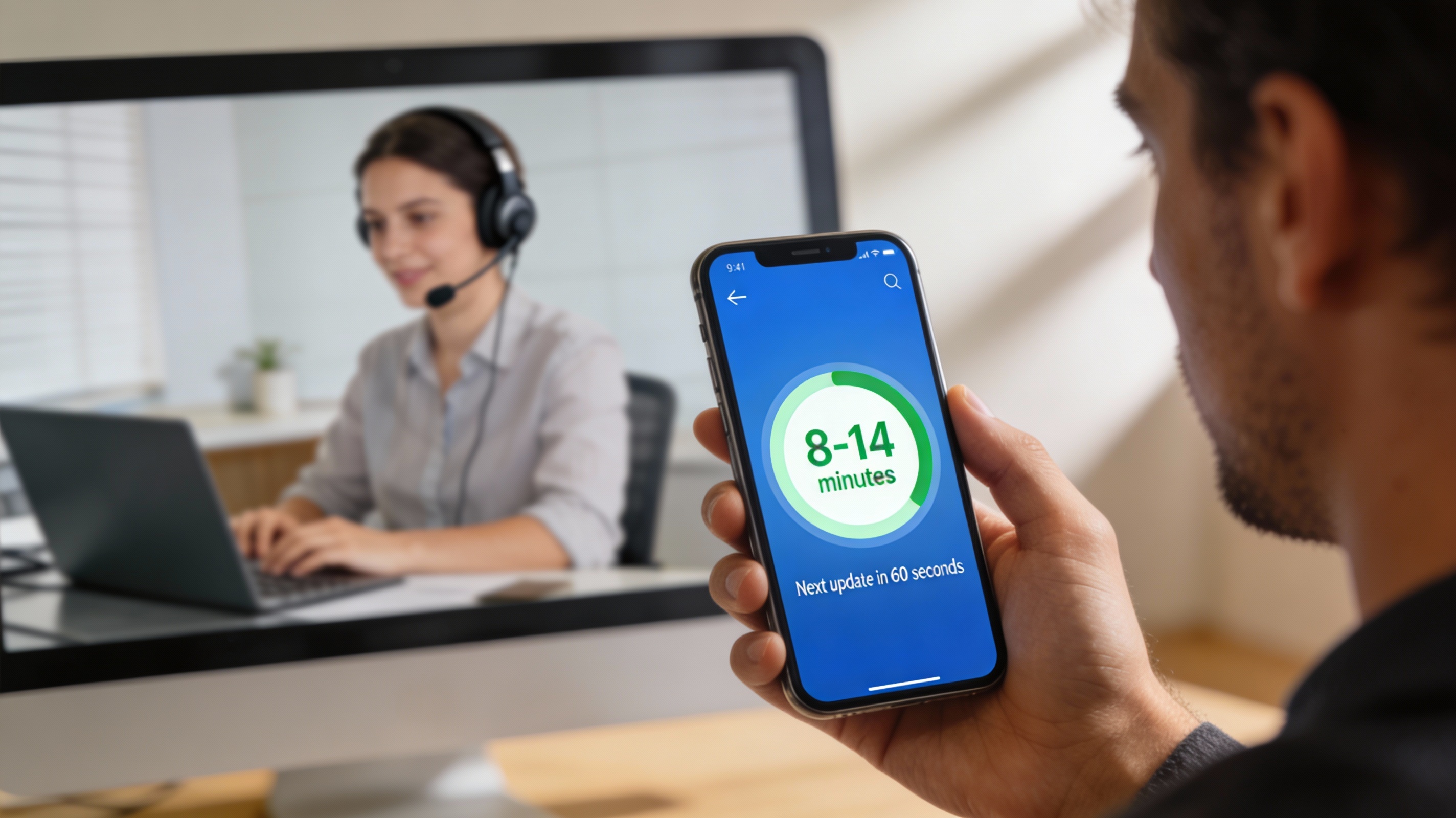
Hotels can adopt a similar approach by notifying guests via mobile apps or displays about current wait times for check-in, restaurant seating, or spa appointments.
With thoughtful design and innovative solutions, waiting can become an integrated element of the guest experience—one that not only reduces frustration but also adds an element of anticipation and engagement. As one customer experience expert puts it:
Waiting is inevitable—but frustration is optional.
4. Designing queues that work
You might be thinking, “Queues are inevitable—I can’t completely eliminate them.” While that is is true, with a few smart design tweaks, you can transform these waits into a more pleasant experience. Here are some design tips to consider:
Create a unified queue system
Instead of having multiple disjointed lines, consider a single, serpentine queue that feeds into available service points. This approach not only reduces confusion, but as we have explained in this article it also ensures fairness and reduces waiting times. Guests appreciate a design where each person knows they will eventually be served, rather than feeling they are being “skipped” in line.
Use visual and physical cues
Ambience matters. In theme parks, for example, lines are often transformed into part of the attraction with thematic storytelling, interactive elements, or ambient music. In hotels, consider measures like comfortable seating, clear signage, and even subtle lighting changes to signal progress. These cues can help lower stress levels, making the wait feel more relaxed.
Leverage spatial design
Design the queue layout to be as efficient as possible. Avoid cramped, disorderly lines by planning pathways that reduce bottlenecks. Just as architects carefully plan the guest flow in a hotel lobby or restaurant, queue spaces should be planned with the same rigor. A well-organized waiting area can not only manage guest expectations but also create a calming atmosphere that reflects positively on the entire brand.
💡 Expert insight
5. Leveraging technology for smarter queuing
In today’s digital age, technology is your best friend when it comes to managing queues. You can harness a variety of tools to create a frictionless experience:
Mobile check-ins and queue slots
Imagine a system where guests can check in via their smartphones before even arriving at the lobby. Apps can allow guests to book time slots for check-in, restaurant seating, or even spa services. This not only minimizes physical queues but also provides guests with the autonomy to manage their time effectively. Guests can skip lines and plan their time more efficiently.
Real-time updates and digital signage
Digital displays that provide real-time updates on waiting times can dramatically reduce stress and uncertainty. As we have discussed here, when guests know exactly what to expect, the perceived wait time diminishes. If your hotel lobby features a large screen showing current wait times at various service points, guests are more likely to remain calm and patient. Guests feel informed and less anxious about waiting.
Data analytics and predictive modeling
Modern queue management systems use data analytics to predict peak times, allowing you to adjust staffing levels and resources dynamically. By monitoring guest flow and service times, you can preemptively allocate staff to high-demand areas, minimizing wait times before issues occur. As one industry leader notes, “Data isn’t just numbers—it’s the roadmap to a seamless guest experience.” Guests benefit from shorter waits and smoother service during busy periods.
Virtual waiting rooms
Along the lines of mobile apps, some establishments are experimenting with virtual waiting rooms where guests receive digital alerts when their turn is coming up. This approach not only frees up physical space but also allows guests to enjoy amenities (like coffee bars or lounges) while they wait. For more details, refer to this article. Guests can relax and enjoy amenities instead of standing in line.
6. Psychology and perception: making waits more palatable
Understanding the psychology of waiting is critical. Research has consistently shown that the way a guest perceives the wait is just as important as the actual duration. Here are some psychological principles that you can leverage:
🤹 Perception beats reality
It’s not so much about reducing the actual wait as it is about altering perception. For example, a five-minute wait with clear, transparent communication and engaging distractions can feel shorter than a ten-minute wait in silence. As the famous quote goes, “Perception is reality.” Ensure your guests feel informed and entertained.
🧠 Active waiting vs. passive waiting
Active waiting, where guests are engaged in subtle entertainment or provided with useful information, can significantly reduce anxiety. This might include interactive displays that share the story of your property, updates on events during their stay, or even entertaining facts about the local area. In theme parks, this concept is taken further through immersive queue designs that make guests part of the narrative.
⏳ Fairness and progress indicator
Ensure that guests feel the queue is fair and moving. If they see a structured and orderly system—with clear markers indicating progress—they are less likely to view the situation negatively. Incorporate elements like a progress bar or estimated wait time indicators to instill a sense of control and fairness.
7. Operational strategies for smoother flows
From an operational standpoint, effective queue management involves aligning your staffing and service processes with guest flow. Consider the following strategic approaches:
🦸🏻♀️ Flexible staffing
Fluctuations in guest volume are inevitable. Employing flexible staffing models helps you respond in real time to surges in demand. For example, during check-in at a busy hotel, having on-call staff or a robust cross-training program means you can quickly add more hands to the desk as needed.
📈 Process optimization
Assess each step of the service process critically. Are there redundant steps that can be streamlined? Perhaps the check-in process can integrate with digital key issuance so that guests don’t have to wait for a physical key. In theme parks, you might allow pre-booking of express lanes for popular rides. Each incremental improvement can compound into significant overall gains in efficiency.
🏋🏼♂️ Training as a key component
Your team is the frontline of guest experience. Training staff to manage queues with empathy and efficiency is critical. Educate them on the importance of proactive communication—informing guests of delays, providing updates about progress, and offering small tokens of appreciation for their patience. A well-trained staff can transform a potentially stressful wait into a pleasant interaction that reinforces a guest’s positive feelings about their stay.
⏱ Monitoring and continuous improvement
Finally, let data guide your decisions. Install sensors, gather feedback through guest surveys, and analyze the data to identify recurring bottlenecks. The hospitality industry, like any other, thrives on continuous improvement. As you refine your processes, you are likely to find innovative solutions that reduce wait times while enhancing the overall guest experience.
8. Key takeaways
Smart queue management isn’t just about speed—it’s about creating memorable guest experiences, building loyalty, and driving revenue. When hotels and hospitality venues invest in thoughtful design, technology, and staff training, wait times become opportunities to impress rather than frustrate. Even small, timely changes during peak seasons can make a noticeable difference, especially when communication is clear and guests feel valued.
If you are a guest, look for places that keep you informed, offer mobile check-in, and make waiting comfortable. Your feedback matters—sharing your experience helps hotels improve for everyone.
For guests who want a smoother stay:
- Use mobile check-in or apps when available
- Don’t be shy—ask staff about current wait times and alternatives
- Share feedback with the hotel
- Look for real-time updates or virtual waiting rooms
- Tell others about your queue experience—good or bad
9. Conclusion: transforming friction into opportunity
In the hospitality business, queues are an inevitable challenge—but they don’t have to be a source of frustration. By embracing smart queue management practices, you can turn waiting time into a seamless part of the overall guest experience. Whether through well-planned spatial design, innovative digital tools, or staff training that instills confidence and empathy, every improvement you make contributes to happier guests and, ultimately, higher revenue.
Remember the wise words of customer service expert Shep Hyken, who famously said:
The best companies don’t just fix problems. They prevent them.
While you might not be able to completely overhaul your operations in time for this holiday season, even incremental changes can make a significant difference. Use these ideas as a roadmap to ensure that every guest touchpoint, from check-in to departure, reflects your commitment to excellence—even on your busiest days.
📬 Get weekly queue insights
Not ready to talk? Stay in the loop with our weekly newsletter — The Queue Report, covering intelligent queue management, digital flow, and operational optimization.